Excellence in Medical Education for Aesthetic & Regenerative Gynecology
DM Medical Courses & Training provides high-quality, evidence-based education for physicians worldwide — combining scientific rigor with practical clinical protocols you can use tomorrow.
International programs, real clinical impact
All courses are taught by experienced international trainers and combine evidence-based medicine with practical clinical protocols — organized in partnership with the Romanian Society of Aesthetic Gynecology (SREG), organizer of the 7th International Congress of Aesthetic Gynecology (2026).
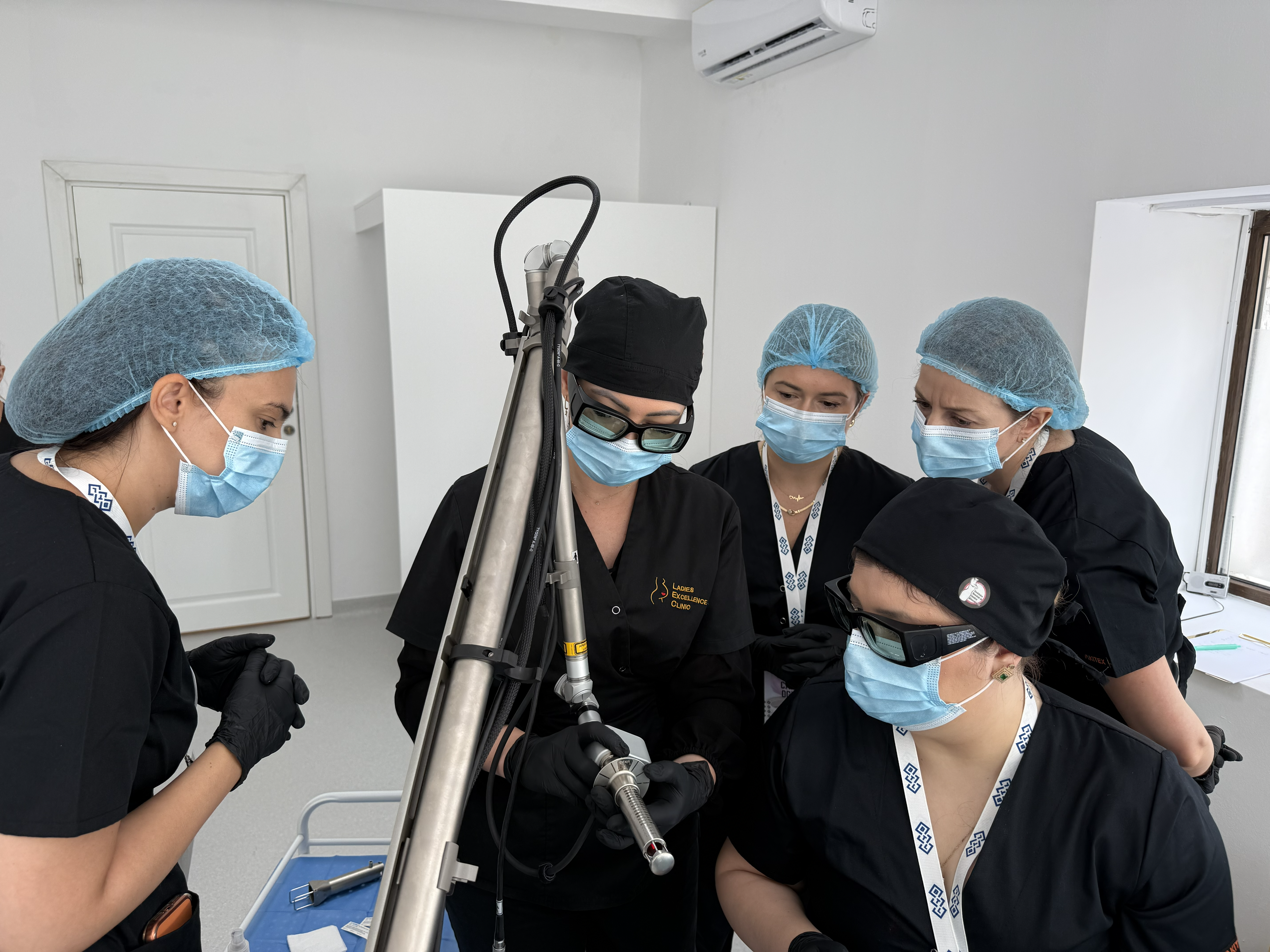
Evidence-based curriculum
Every module blends current scientific evidence with practical, ready-to-use clinical protocols.

International faculty
Trainers recognized across Europe, Us, Asia, Africa and the Middle East, teaching a global community of physicians.
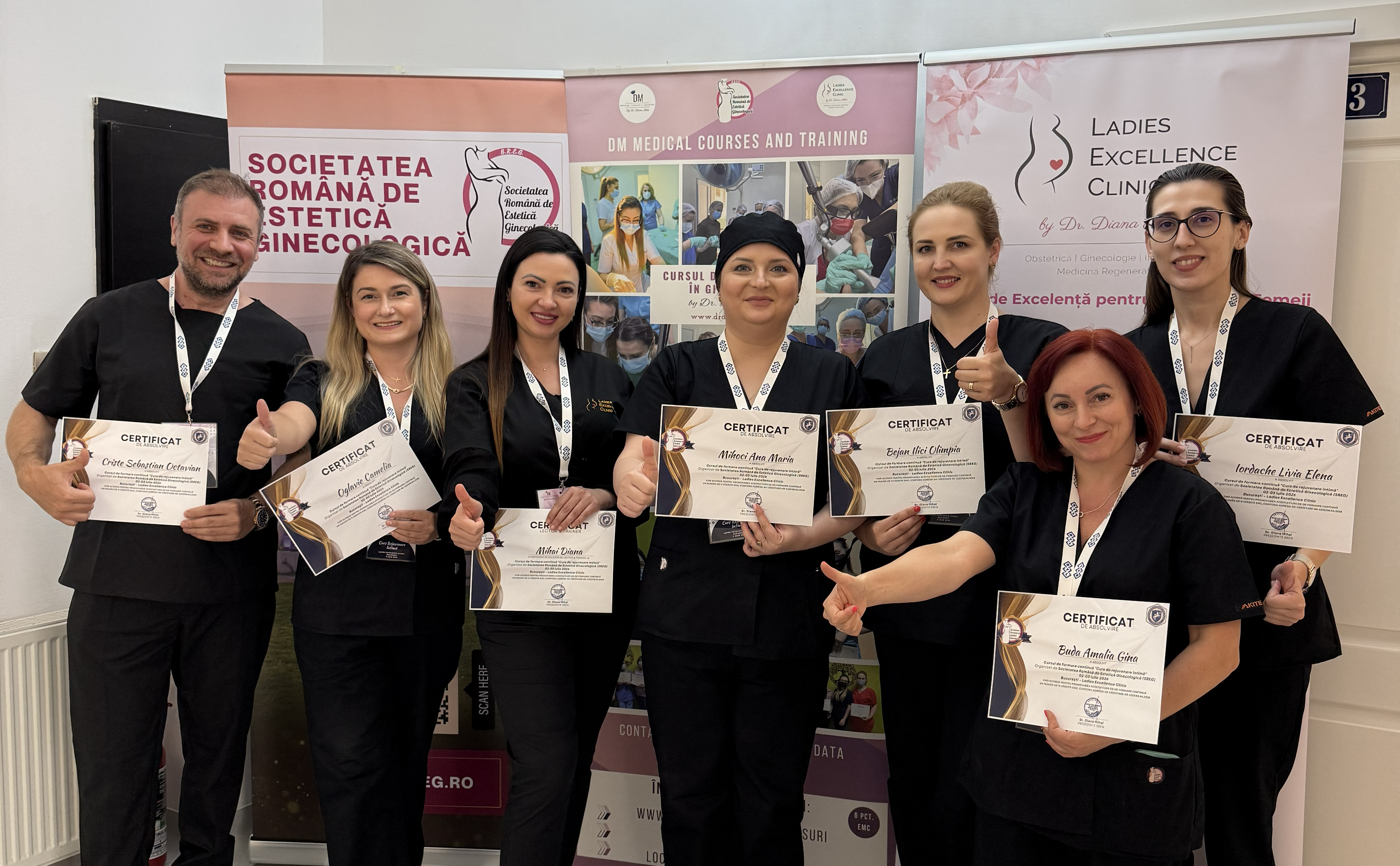
Certification & CME credits
European Certificate of Completion plus European CME educational credits awarded by SREG.
 About SREG
Romanian Society of Aesthetic Gynecology
One of the leading educational organizations dedicated to functional, regenerative, aesthetic and hormonal gynecology in Europe.
Founded by Dr. Diana Mihai, MD, PhD, SREG has become an international educational platform bringing together physicians interested in advanced women's health, hormone optimization, regenerative medicine, menopause management, sexual medicine and minimally invasive gynecological treatments.
🏛️ 2026 marks the 7th International SREG Congress, organized in Romania with international faculty and participants from multiple countries around the world.
Over the past seven years, SREG has organized:
-
International congresses and scientific meetings, including our Annual Flagship Congress:
- World-renowned international speakers
- 400-500 participating medical professionals
- Premium hosting locations (e.g., Palace of Parliament, Radisson Blu)
- Hands-on workshops and live procedure training
- Advanced certification courses for physicians
- International educational collaborations
- Online and in-person medical training programs
SREG courses have been attended by thousands of physicians from Europe, Asia, Africa and the Middle East, creating a global community of clinicians dedicated to improving women's health through evidence-based and innovative medicine.
Our Mission
To bridge the gap between scientific evidence and daily clinical practice, helping physicians deliver more personalized, effective and patient-centered care.
Whether the topic is hormone therapy, menopause, fertility, regenerative gynecology, sexual medicine or advanced diagnostics such as the DUTCH Test, SREG's goal is to provide practical knowledge that can be implemented immediately in clinical practice.
"I believe medical education should be practical, evidence-based, and immediately applicable. Every course we create is designed to help physicians feel more confident, make better clinical decisions, and ultimately improve the lives of their patients.
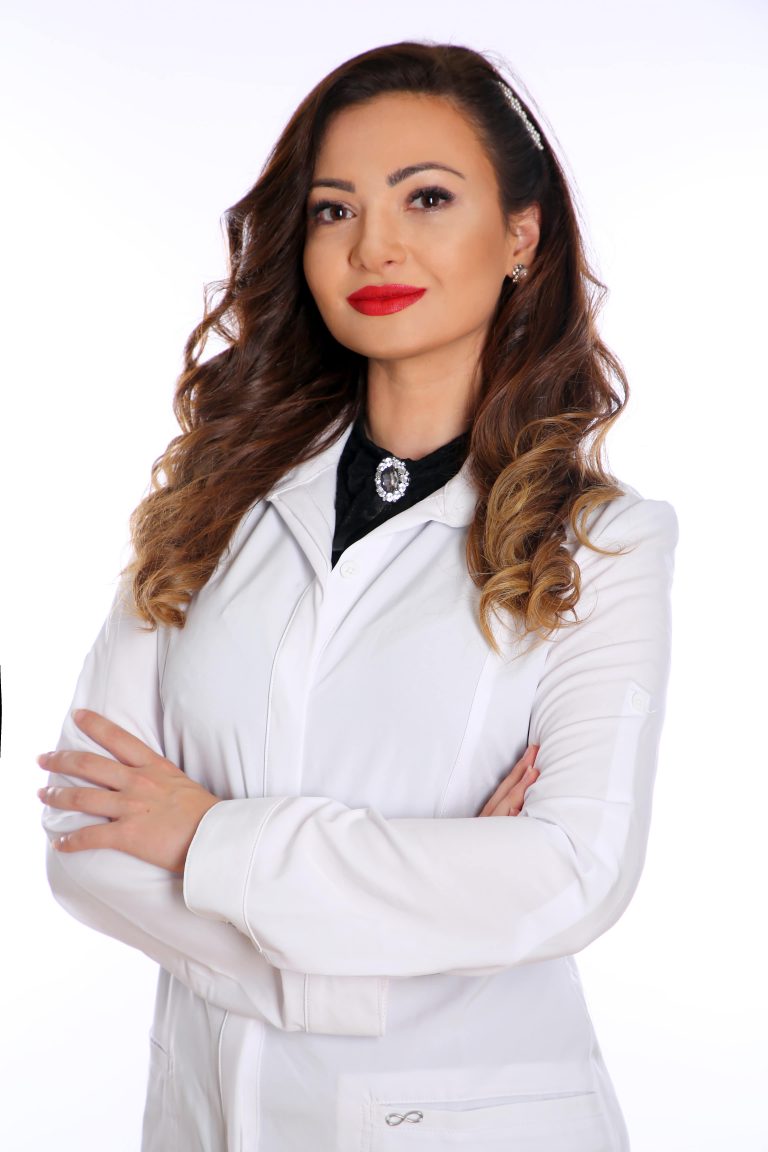
Dr. Diana Mihai, MD, PhD
President & Founder, Romanian Society of Aesthetic Gynecology (SREG)
International Speaker & Trainer
Founder, Ladies Excellence Clinic – Bucharest, Romania
Online & Hands-on Medical Courses
Click any course to view its complete curriculum, structure and included materials.
Clinical Hormone Replacement Therapy · Beginner Level · date 12-13 november 2026
Full curriculum
Day 1 — Hormonal Foundations and Imbalances in Younger Women
Module 1 — Female Hormonal Decline and Menopause Physiology
- 1.1 Hormones as regulators of longevity (estrogen, progesterone, testosterone; brain, bone, cardiovascular system, skin)
- 1.2 Perimenopause vs. menopause (chronology & stages, variability of symptoms, early vs. late presentation)
- 1.3 Redefining menopause (menopause ≠ disease, menopause ≠ cosmetic issue, a window for preventive medicine)
Module 2 — Evidence, Myths, and Safety
- 2.1 Common myths about HRT (breast cancer, thrombosis, "natural hormones")
- 2.2 Scientific evidence (WHI misinterpretations, modern data on transdermal HRT)
- 2.3 Risk stratification (ideal candidates, patients requiring caution, absolute vs. relative contraindications)
Module 3 — Diagnosis Before HRT
- 3.1 Baseline clinical assessment (medical history, gynecological examination, imaging and screening)
- 3.2 Laboratory testing (estradiol, progesterone, testosterone, thyroid function, metabolic and inflammatory markers)
- 3.3 Interpretation of laboratory results ("normal" vs. "optimal", pattern-based interpretation)
Module 4 — Fundamentals of Estrogen Therapy
- 4.1 Routes of administration (transdermal vs. oral, safety implications)
- 4.2 Initial dosing and titration strategies
- 4.3 Expected effects and timelines (early improvements, when to adjust treatment)
Day 2 — Protocols, Monitoring, and Longevity
Module 5 — Progesterone: Beyond Endometrial Protection
- 5.1 Role of progesterone (sleep, anxiety, neuroprotection)
- 5.2 Micronized progesterone (dosing, continuous vs. cyclic administration)
- 5.3 Common prescribing mistakes (underdosing, inappropriate timing)
Module 6 — Testosterone in Women (Beginner Level)
- 6.1 Indications (libido, energy, muscle mass)
- 6.2 Safety limits and monitoring (dose limits, clinical monitoring)
- 6.3 When not to prescribe
Module 7 — Monitoring, Follow-up, and Adjustments
- 7.1 Follow-up schedule (6–8 weeks, 3 months, 6–12 months)
- 7.2 Management of side effects (breast tenderness, bleeding, fluid retention)
- 7.3 When is discontinuation indicated / when is medical consultation recommended?
Module 8 — Longevity Integration and Clinical Cases
- 8.1 HRT as preventive medicine (bone, brain, cardiovascular health)
- 8.2 HRT + lifestyle medicine (nutrition, sleep, stress)
- 8.3 10 clinical case studies (perimenopause, early menopause, late menopause)
Final Test
Advanced Hormone Replacement Therapy in Clinical Practice · date 14-15 November 2026
Full curriculum
Day 1 — Foundations and Clinical Decision-Making
Module 1 — Evidence Base and Current Guidelines
WHI, reinterpretation of data, follow-up studies, window of opportunity, absolute vs. relative risk, synthesis of current guidelines.
Module 2 — Diagnosis
Clinical diagnosis in perimenopause and menopause, premature menopause, and primary ovarian insufficiency.
Module 3 — Indications and Patient Selection
Main indications for HRT, vasomotor syndrome, genitourinary syndrome of menopause, POI/premature menopause, bone health, the 60/10 rule, and case studies.
Module 4 — Contraindications and Risk Assessment
Absolute and relative contraindications, VTE risk, cardiovascular risk, breast cancer risk, and special situations: depression, age >60, thrombophilia, diabetes, migraine, dyslipidemia, hypertension.
Module 5 — Therapeutic Formulations and Regimens
Oral vs. transdermal estrogen, progestogens, combined products, SERMs and TSECs, vaginal preparations for GSM, intrauterine progestogen, practical application.
Module 6 — Bioidentical Hormones: Evidence and Controversies
Definitions/terminology, approved bioidentical options, compounded hormone therapy, guideline positions, marketing claims, patient counseling.
Day 2 — Advanced Management and Special Populations
Module 7 — Non-Hormonal Alternatives
Non-hormonal options for vasomotor symptoms, other agents, lifestyle modifications, efficacy comparisons, case studies.
Module 8 — Complex Cases and Special Populations
HRT after breast cancer, autoimmune diseases, surgical menopause, BRCA mutations, and other special clinical scenarios.
Module 9 — Long-Term Management and Discontinuation of HRT
Treatment duration, annual reassessment, dose optimization over time, discontinuation strategies.
Module 10 — Testosterone, Emerging Therapies, and Future Directions
Testosterone therapy in women, new options including NK3/NK1 antagonists, future perspectives in menopause medicine.
Module 11 — Shared Decision-Making and Communication with Patients
Principles of shared decision-making, risk communication, modern counseling, integrating patient preferences.
Module 12 — Applied Workshop
Prescribing exercises, consultation simulations, addressing misinformation, treatment plan development.
Module 13 — Final Evaluation and Clinical Integration
Knowledge assessment, competency self-assessment, course feedback, action plan for clinical practice.
Final Test
Targeted Competencies at the End of the Course
- Critical interpretation of the current evidence base regarding hormone therapy, including WHI studies, subsequent reinterpretations, and key recommendations from current international guidelines.
- Correct establishment of the clinical diagnosis of perimenopause, menopause, premature menopause, and primary ovarian insufficiency based on age, symptoms, and hormonal context.
- Identification of the major indications for HRT and selection of appropriate patients for treatment, including VMS, GSM, premature hypoestrogenism, and increased bone risk.
- Application of modern risk stratification principles, including the 60/10 rule, assessment of VTE risk, cardiovascular risk, and breast cancer risk.
- Recognition of the absolute and relative contraindications of hormone therapy and adaptation of management according to the patient's individual risk profile.
- Choosing the optimal formulation, dose, and route of administration, differentiating between oral and transdermal estrogen, sequential and continuous regimens, local options, and adequate endometrial protection.
- Differentiation between approved bioidentical products and compounded formulations and counseling patients in a balanced, evidence-based, and regulation-aligned manner.
- Correct prescription and integration of non-hormonal alternatives when HRT is not indicated, not desired, or not tolerated.
- Competent management of complex cases and special populations, including patients with oncologic history, thrombophilia, migraine, depression, diabetes, surgical menopause, or relevant genetic mutations.
- Rational use of testosterone therapy in women, understanding evidence-based indications, prescription limitations, and monitoring principles.
- Planning long-term monitoring and annual reassessment, including therapy adjustments, management of adverse effects, and continuation or discontinuation strategies.
- Clear and modern communication of treatment risks and benefits using the concepts of absolute versus relative risk, personalization, and shared decision-making.
- Proper documentation of informed consent, therapeutic plans, and clinical follow-up in a rigorous and professionally defensible manner.
Hormone Replacement Therapy (HRT) Complete Program
- Full Advanced Hormone Replacement Therapy in Clinical Practice · 14-15 November 2026
- Full Clinical Hormone Replacement Therapy · Beginner Level · 12-13 november 2026
- 5 months of mentorship (live Zoom meetings)
Advanced Cosmetic Gynaecology: Surgical Techniques, Revision Surgery & Clinical Practice · date 19 November 2026
Speaker & full program
About the speaker
Red M. Alinsod, MD — Urogynecology & Pelvic Reconstructive Surgery. Director and founder of South Coast Urogynecology, The Alinsod Institute for Aesthetic Vulvovaginal Surgery, and Gynflix (online e-learning). Founder and Chairman of CAVS (Congress on Aesthetic Vulvovaginal Surgery) and co-editor of Female Cosmetic Genital Surgery: Concepts, Classification and Technique.
Dr. Alinsod has developed and introduced multiple techniques in aesthetic vulvovaginal surgery, including the "Barbie Look" and "Hybrid Look" labiaplasty, Medial Curvilinear Labia Majoraplasty, central and lateral clitoral hood reduction, clitoral reduction with medial clitoral hood reduction, in-office no-IV labiaplasty, perineoplasty and vaginoplasty. His innovations also include the Micro Tumescent Labial Block, Pudendo-Levator Block, and LightScalpel and RF anal skin tag excision.
19 November 2026 — Program
09:00–10:50 · Foundations & Core Techniques
- 1. Establishing a Cosmetic Gynaecology Practice: Clinical, Documentation & Workflow Requirements
- 2. Introduction to Energy-Based Technologies & Biologics
- 3. Principles of Radiosurgery
- 4. Principles of Labia Minoraplasty — basic anatomy, anaesthesia (microtumescent local), markings and excision (canal incisions), suturing, postoperative care & patient instructions
10:50–11:10 · Coffee break
11:10–13:30 · Vulvar Surgery & Revision
- 5. Clitoral Hood Reduction Techniques — anaesthesia (microtumescent local), marking and excision, lateral vs medial vs vertical, suturing, postoperative care & patient instructions
- 6. Clitoropexy Basics
- 7. Labia Majoraplasty — anaesthesia (microtumescent local), marking and excision, fat pad removal, suturing, postoperative care & patient instructions
- 8. Core Revision Surgery — radiosurgical feathering, grooving technique and labial creation
13:30–14:30 · Lunch
14:30–16:10 · Vaginal & Combination Surgery
- 9. Perineoplasty — patient selection, anaesthesia, marking and excision, suturing
- 10. Vaginoplasty — patient selection, anaesthesia (pudendal-levator block), marking and excision, long-term postoperative pain management, prevention and management of surgical complications, combination surgery, integrated surgical approach to combined procedures, surgical sequencing
16:10–16:30 · Coffee break
16:30–17:30 · Clinical Practice Integration & Professional Development
- 11. Anal Skin Tag Management
- 12. Gynaecologic Photography
- 13. Professional Communication and Digital Practice Development
- 14. Digital Resources for Continuing Surgical Education
17:30–18:00 · Knowledge Assessment Review
DUTCH Test Masterclass
Full details: who it's for & what you'll learn
Who is this course for?
Obstetricians & Gynecologists: menopause management, perimenopause, HRT, PMS/PMDD, infertility, PCOS, endometriosis, recurrent miscarriage, low libido and sexual dysfunction.
Endocrinologists: complex hormonal cases, adrenal dysfunction, hormone metabolism assessment, personalized treatment strategies.
Family Medicine Physicians: chronic fatigue, sleep disturbances, mood disorders, hormonal symptoms with inconclusive lab findings.
Functional & Integrative Medicine Practitioners: personalized medicine, hormone optimization, detoxification pathways, stress/adrenal evaluation, longevity medicine.
Fertility Specialists: infertility, recurrent implantation failure, recurrent pregnancy loss, hormonal optimization before conception.
Anti-Aging & Longevity Physicians: healthy aging, cognitive optimization, energy and performance medicine, hormone optimization programs.
What you will learn
Estrogen Metabolism: protective vs. proliferative pathways, relevance in endometriosis/fibroids/breast disorders, correlation with symptoms.
Progesterone & Its Metabolites: PMS/PMDD, anxiety/insomnia, infertility, lack of response to progesterone therapy.
Androgens & Hormonal Conversions: testosterone interpretation, DHEA metabolism, 5-alpha reductase activity, PCOS/acne/hair loss/low libido.
Cortisol & Chronic Stress: circadian rhythm analysis, burnout/fatigue, sleep disorders, production vs. metabolism of cortisol.
Liver Detoxification & Hormone Metabolism: methylation, sulfation, glucuronidation pathways, hormone-sensitive patients.
When is DUTCH truly valuable?
Symptoms with apparently normal labs, unclear hormone cases, poor response to HRT, side effects from hormone therapy, infertility, PMS/PMDD, endometriosis, PCOS, burnout/chronic fatigue, low libido. Not a routine test for every patient — most valuable in complex, personalized hormonal medicine.
Peptide Therapy Masterclass · date 25-26 September 2026
Full curriculum
Day 1 — Foundations, Regulation, Metabolic & GH-Axis Peptides
M0 — Pre-Course Clinical Calibration
Orientation, expectations and clinical self-assessment.
M1 — Why Peptide Medicine Needs a New Clinical Framework
Growth of peptide medicine, key risks and the need for structured clinical decision-making.
M2 — Peptide Biology & Mechanisms of Action
Endogenous vs. synthetic peptides, receptor signaling, route, half-life and the limits of mechanistic evidence.
M3 — Evidence Hierarchy, Regulation & Legal Boundaries
Part I: Evidence hierarchy, approved drugs, off-label use and investigational compounds. Part II: Research-use peptides, sourcing, documentation and jurisdictional flags.
M4 — Metabolic Peptide Medicine: GLP-1, GIP & Beyond
Part I: Semaglutide, tirzepatide, liraglutide and key metabolic indications. Part II: Tesamorelin, AOD-9604, MOTS-c; body composition, sarcopenia risk and monitoring.
M5 — GH-Axis Peptides: Promise, Physiology & Safety
Tesamorelin, sermorelin, CJC-1295, ipamorelin, GHRP-2/6; IGF-1, glucose, edema, sleep apnea, cancer-history caution and WADA logic.
Day 2 — Clinical Categories, Cases & Integration
M6 — Immune & Inflammatory Peptides
Thymosin alpha-1, KPV, LL-37 and ARA-290/cibinetide; immune modulation, autoimmune caution and infection context.
M7 — Gut Barrier, Mucosal Repair & BPC-157
BPC-157, KPV, larazotide and mucosal peptides; claims, differential diagnosis, red flags and evidence gaps.
M8 — Regenerative & Tissue-Repair Peptides
BPC-157, TB-500/thymosin beta-4 and GHK-Cu; imaging, sports restrictions, stacking risk and clinical boundaries.
M9 — Mitochondrial, Circadian & Longevity Peptides
MOTS-c, SS-31/elamipretide, epitalon and DSIP; fatigue workup, biomarkers, circadian claims and longevity-language limits.
M10 — Neurocognitive, Mood & Stress Peptides
Semax, Selank, Cerebrolysin and selected neurobehavioral peptides; evidence quality, jurisdictional variation and psychiatric safety.
M11 — Sexual & Reproductive Peptides
hCG, gonadorelin, kisspeptin, PT-141/bremelanotide and oxytocin; HPG-axis evaluation, libido vs. fertility and hormonal safety.
M12 — Clinical Integration, Documentation & Case Workshop
Case-based application of evidence level, legal status, dosing context, biomarkers, stop criteria, documentation and patient communication.
Final Test — Final knowledge assessment and course evaluation.
Vaginismus Management
What you will learn
1. How to diagnose vaginismus correctly from the first interaction — recognize it from the moment the patient enters your office, differentiate types and severity.
2. How to perform the consultation without creating trauma — step-by-step examination approach so the patient feels safe, relaxed and cooperative.
3. How to build an effective treatment plan — why combined therapy (Botox + injectables + devices) significantly increases success rate; how to reach >95% success in ~3 weeks.
4. Step-by-step procedures (video) — multiple real cases, different injection techniques, local vs. general anesthesia.
5. Advanced techniques — when/how to perform hymenotomy with electrocautery, treatment sequencing, monitoring & adjusting the plan.
6. Botulinum toxin — preparation, injection technique, avoiding complications.
7. PRP in vaginismus and sexual dysfunction — correct preparation, injecting to reduce pain, improve tissue quality and enhance pleasure (including anorgasmia).
8. Combined protocols — integrating vaginal laser, radiofrequency, oxygen therapy and electromagnetic chair for better, faster outcomes.
What you will gain
Confidence to diagnose and treat vaginismus, clear ready-to-use protocols, practical skills applicable immediately, a structured system for treatment and follow-up, and the ability to combine techniques for high success rates.
Why this course is different
Most physicians receive little or no practical training in vaginismus during medical school or residency. As a result, many patients remain undiagnosed for years or are told that "everything looks normal."
This course goes far beyond theory. You will learn a complete, evidence-based clinical system developed from years of treating women with vaginismus, combining psychological understanding, minimally invasive procedures and regenerative medicine into one structured treatment pathway.
Instead of learning a single technique, you will master a comprehensive approach that can be adapted to every patient.
Become one of the few physicians who truly treat vaginismus
Very few physicians worldwide are trained to perform botulinum toxin injections for vaginismus. Even fewer know how to combine Botox with regenerative gynecology, PRP, energy-based devices and individualized rehabilitation into one integrated treatment protocol.
After completing this course, you will understand not only how to perform each procedure, but when, why and how to combine them for the best possible patient outcomes.
Learn a complete treatment system
Rather than isolated procedures, you will master a complete clinical pathway:
- Patient selection
- Clinical diagnosis
- Communication with anxious patients
- Pain-free examination techniques
- Individualized treatment planning
- Botulinum toxin
- PRP
- Vaginal laser
- Radiofrequency
- Oxygen therapy
- Electromagnetic chair therapy
- Follow-up protocols
- Management of difficult and recurrent cases
Real clinical experience
This is not a theoretical lecture. The course includes numerous real patient cases, procedural videos, practical tips, complication avoidance and clinical decision-making that can only be learned from daily practice.
You will gain access to the protocols that have been refined through the treatment of hundreds of women suffering from vaginismus.
Transform your clinical practice
By the end of this course you will be able to:
- Confidently diagnose vaginismus, even in subtle or complex cases.
- Offer treatment options that very few physicians currently provide.
- Build personalized multidisciplinary treatment plans.
- Successfully combine multiple modern therapies into one comprehensive protocol.
- Help women who have often spent years searching unsuccessfully for answers.
Why physicians choose this course
- One of the most comprehensive vaginismus trainings available.
- Evidence-based protocols that can be implemented immediately.
- Rare procedural skills not routinely taught during residency.
- Real clinical videos and step-by-step demonstrations.
- Practical algorithms ready to use in your own clinic.
- International certification upon successful completion.
- Three months of access to review the content as many times as needed.
A note about outcomes
Our integrated treatment approach has achieved excellent results in our clinical practice, with success rates exceeding 95% in appropriately selected and compliant patients. Throughout the course, you will learn the patient selection criteria, treatment combinations and follow-up strategies that contribute to these outcomes.
PRP in Gynecology Masterclass
Learn How to Use PRP with Confidence in Daily Gynecological Practice
Platelet-Rich Plasma (PRP) has become one of the most promising regenerative treatments in modern gynecology. However, most physicians receive little or no formal training on how to perform these procedures safely, effectively and according to evidence-based protocols.
This course combines scientific evidence with years of real clinical experience, providing practical protocols, procedural videos and step-by-step guidance that you can immediately implement in your own practice.
Whether you are just beginning or already performing PRP procedures, this course will help you achieve safer treatments, better clinical outcomes and greater confidence.
Full details: why this course is different & complete curriculum
Why this course is different
Many courses explain what PRP is. Very few teach you how to successfully integrate PRP into everyday clinical practice.
You will learn:
- exactly when PRP works — and when it doesn't
- how to select the right patients
- how to optimize PRP preparation for better results
- which injection techniques to use for each indication
- how to combine PRP with laser, radiofrequency, hyaluronic acid and hormone therapy
- how to avoid the most common mistakes and complications
Everything is based on real clinical protocols developed through years of treating patients.
Become one of the few physicians performing Regenerative Gynecology
Regenerative Gynecology is one of the fastest-growing fields in women's health. Patients increasingly seek minimally invasive treatments that improve tissue quality, sexual function, healing and quality of life.
After completing this course, you will be able to confidently introduce regenerative medicine into your clinic and offer innovative treatments that differentiate your practice.
Learn far more than injection techniques
This course teaches an entire clinical system. You will understand:
- patient selection
- evidence behind each indication
- treatment planning
- PRP preparation
- injection techniques
- follow-up protocols
- combination therapies
- management of difficult cases
The goal is not simply to perform PRP injections — but to know exactly when, where, how and why to use them.
Full Curriculum
1. Understanding PRP
What PRP is, how it works, biological mechanisms behind tissue regeneration, healing, angiogenesis, collagen production and growth factors.
2. PRP Preparation
Blood collection, PRP preparation techniques, processing protocols, tips for consistent high-quality PRP, common mistakes to avoid.
3. Mechanism of Action in the Vulvo-Vaginal Region
Tissue regeneration, collagen production, neovascularization, improved tissue quality, enhanced healing, restoration of vulvo-vaginal health.
4. PRP Protocols in Gynecology
Treatment planning, patient preparation, clinical indications, follow-up recommendations, practical treatment strategies.
5. PRP in Infertility
Clinical indications, patient selection, current evidence, practical applications in fertility treatment.
6. PRP in Menopause and GSM
Vaginal dryness, tissue regeneration, improvement of vaginal health, patient selection, expected clinical outcomes.
7. PRP for Scar Management
Cesarean section scars, vaginal delivery scars, treatment protocols and expected clinical results.
8. PRP for Female Sexual Dysfunction
Clitoral injections, G-Spot injections, vaginal PRP, patient selection, clinical indications, expected benefits.
9. Indications, Contraindications and Patient Selection
Clinical indications, contraindications, patient assessment, treatment planning, safety considerations.
10. Clinical Results and Step-by-Step Practical Videos
Detailed procedural videos: patient preparation, injection techniques, practical tips, clinical outcomes, post-treatment recommendations.
Real clinical videos
Watch complete procedures performed on real patients, including:
- patient preparation
- anatomical landmarks
- injection techniques
- needle positioning
- practical tips
- avoiding complications
- post-treatment recommendations
Learn the details that are rarely covered during conferences or workshops.
What you will gain
Confidence to use PRP in multiple gynecological indications; clear, ready-to-use treatment protocols; the ability to safely select patients; long-term access to course material.
Advanced Vaginal Rejuvenation Masterclass — 7 Techniques for Intimate Rejuvenation
The 7 techniques covered
1. Platelet-Rich Plasma (PRP)
Biological principles, injection techniques, patient selection, protocols and clinical outcomes; step-by-step procedural videos including gel tube preparation and local anesthesia.
2. Vaginal CO₂ Laser (MonaLisa Touch® by DEKA)
Histopathological/clinical changes in menopause & GSM, mechanism of action, protocols for vaginal atrophy and scars, treatment after cancer therapy/brachytherapy; full procedural videos.
3. HIFEM Technology (EMSELLA®)
Pelvic floor anatomy, electromagnetic stimulation & supramaximal contractions, protocols for stress/urge incontinence, sexual dysfunction, postpartum rehabilitation, anal incontinence.
4. Vaginal Radiofrequency (Exilis®)
Controlled heating, collagen remodeling, protocols for incontinence, vaginal laxity, GSM, dyspareunia, orgasm enhancement, combination with PRP & CO₂ laser.
5. Hyaluronic Acid
Types used in gynecology, vulvo-vaginal hydration, labia majora augmentation, GSM & dyspareunia, combined protocols with PRP/Laser/Radiofrequency.
6. Botulinum Toxin
Mechanism of action & muscle relaxation, treatment for vaginismus and vulvodynia, pelvic floor muscle hypertonicity, complication prevention.
7. Caress Flow Therapy
Oxygen-infused hyaluronic acid, tissue oxygenation, protocols for dyspareunia, vaginal burning, recurrent UTIs, vestibulitis, vulvar lichen, recurrent candidiasis and bacterial vaginosis.
Combined Treatment Protocols
Learn treatment sequencing, appropriate intervals, when to combine multiple techniques, and how to personalize according to each patient's symptoms and expectations.
Bonuses included
Bonus 1: How to introduce new procedures into your practice. Bonus 2: Ready-to-use clinical documents (protocols, consent forms, documentation templates, supplier contacts). Bonus 3: Exclusive partner discounts. Bonus 4: 3 months platform access + lifetime access to a private physicians' WhatsApp discussion group.
Who should attend
Obstetricians and Gynecologists, Urogynecologists, physicians interested in Aesthetic and Regenerative Gynecology, specialists treating GSM, physicians managing urinary incontinence and pelvic floor disorders.
Non-Invasive Urinary Incontinence Treatments
Full curriculum
1. Female Urinary Incontinence & Overactive Bladder
Pelvic floor anatomy & physiology, mechanisms of continence, SUI/UUI/MUI/OAB, GSM, clinical evaluation and diagnostic work-up, treatment algorithms.
2. Vaginal CO₂ Laser (MonaLisa Touch®)
Mechanism of action, tissue regeneration & collagen remodeling, protocols for SUI and GSM-associated urinary symptoms; full procedural videos.
3. Platelet-Rich Plasma (PRP)
PRP protocols for urinary incontinence, recurrent UTIs, GSM; combined PRP and laser protocols.
4. HIFEM Technology (EMSELLA®)
Electromagnetic pelvic floor stimulation for stress/urge/mixed incontinence, pelvic floor rehabilitation, female sexual dysfunction, postpartum rehabilitation.
5. Vaginal Radiofrequency (Exilis®)
Tissue regeneration, collagen remodeling, protocols for incontinence, vaginal laxity, GSM-associated symptoms, combined treatment protocols.
6. Hyaluronic Acid
Periurethral support, vulvo-vaginal hydration, GSM treatment, vaginal dryness, tissue regeneration, combination protocols.
7. Caress Flow Therapy
Oxygen-infused hyaluronic acid for urinary symptoms & GSM, recurrent UTIs, vaginal burning/dryness, vestibular pain, combination with laser/PRP/radiofrequency.
8. Botulinum Toxin and Overactive Bladder (OAB)
Mechanism of action, current indications for intravesical Botulinum Toxin, position within the treatment algorithm, combination with regenerative therapies.
Combined Treatment Protocols
Personalized plans integrating CO₂ Laser, PRP, Radiofrequency, HIFEM, Hyaluronic Acid and Caress Flow Therapy, adapted to SUI, UUI, MUI, OAB, GSM, postpartum dysfunction and recurrent UTIs.
Combined Treatment for Genitourinary Syndrome of Menopause (GSM)
Full curriculum
1. Understanding GSM
Pathophysiology, hormonal changes during menopause, vulvovaginal anatomy, clinical manifestations (dryness, dyspareunia, burning, recurrent UTIs, urgency/frequency, mild incontinence, sexual dysfunction), diagnosis and treatment algorithms.
2. Hormonal Therapy for GSM
Local vs. systemic hormonal therapy, vaginal estrogens, DHEA, patient selection, indications, contraindications, safety, current evidence.
3. Vaginal CO₂ Laser (MonaLisa Touch®)
Mechanism of action, tissue regeneration & collagen remodeling, histopathological changes, treatment protocols.
4. Platelet-Rich Plasma (PRP)
Mechanism of action, PRP preparation, protocols for GSM, vaginal dryness, sexual dysfunction, tissue regeneration.
5. Vaginal Radiofrequency (Exilis®)
Collagen remodeling, tissue tightening, vaginal laxity, GSM protocols.
6. Hyaluronic Acid Injections
Vulvovaginal hydration, tissue restoration, treatment of dryness and dyspareunia, labia majora rejuvenation.
7. Caress Flow Therapy
Oxygen-infused hyaluronic acid, tissue oxygenation, vaginal hydration, GSM protocols, recurrent UTIs.
8. Combined Treatment Protocols
Personalized algorithms for mild/moderate/severe GSM: when to use hormonal therapy, Laser + PRP, Laser + Radiofrequency, PRP + Hyaluronic Acid, Laser + PRP + Caress Flow, long-term maintenance.
What you will gain
Confidence to diagnose and manage GSM, ready-to-use treatment protocols, evidence-based algorithms, and a structured system for diagnosis, treatment, follow-up and long-term maintenance.
Nutraceuticals, Longevity & Regenerative Medicine in Gynecology and Infertility
Full curriculum (9 modules)
Module 1 — The New Era of Regenerative Medicine (20 min)
Understanding why modern gynecology is moving from disease treatment to health optimization: what is regenerative medicine · cellular optimization vs. symptom treatment · chronic inflammation and aging · oxidative stress · mitochondrial dysfunction · ATP production and cellular energy · silent inflammation · tissue regeneration · immune modulation · integrated regenerative medicine concept.
Module 2 — Cellular Aging, Senescence and Female Longevity (30 min)
Understanding why ovarian aging begins long before menopause and how cellular senescence affects fertility: biological aging mechanisms · cellular senescence · DNA damage · telomere shortening · epigenetics · mitochondrial aging · oxidative stress · senescent ("zombie") cells · SASP (senescence-associated inflammation) · impact on ovarian reserve · pregnancy after 35 years · premature ovarian aging · future anti-aging strategies.
Module 3 — Mitochondrial Medicine & NAD+ (35 min)
The role of mitochondrial medicine in fertility, ovarian function and healthy aging: NAD+ · NADH · cellular metabolism · ATP production · DNA repair · PARP · sirtuins · cellular communication · neuroprotection · brain function · memory · fatigue · metabolic optimization · clinical indications · IV NAD protocols · patient selection · practical tips.
Module 4 — IV Nutraceuticals in Clinical Practice (40 min)
How intravenous nutraceutical therapies can support regenerative gynecology: principles of IV micronutrient therapy · advantages over oral supplementation · Myers Cocktail · Vitamin C · Glutathione · Curcumin · Resveratrol · Magnesium · Vitamin B Complex · Coenzyme Q10 · NMN · NAD+ · Folate · Vitamin B6 · clinical indications · contraindications · safety · practical protocols · combination therapies.
Module 5 — Nutraceuticals for Infertility and Premature Ovarian Aging (40 min)
Evidence-based strategies to optimize ovarian function before conception and IVF: oocyte quality optimization · oxidative stress reduction · immune regulation · IVF preparation · ovarian rejuvenation · premature ovarian insufficiency · recurrent implantation failure · recurrent miscarriage · oral supplementation · IV supplementation · step-by-step fertility protocols · timing before IVF · monitoring response · clinical cases.
Module 6 — Oxygen-Based Regenerative Therapies (25 min)
Using oxygen therapies to improve cellular function and reproductive health: intravenous oxygen therapy · ozone therapy · mechanisms of action · prostacyclin · microcirculation · anti-inflammatory effects · immune modulation · clinical indications · fertility applications · pregnancy support · practical protocols.
Module 7 — Low Level Laser Therapy (25 min)
Photobiomodulation and mitochondrial stimulation in regenerative medicine: principles of LLLT · photobiomodulation · ATP stimulation · nitric oxide · ROS signaling · tissue regeneration · intravenous laser · transcranial laser · dermatologic applications · fertility applications · brain health · clinical protocols.
Module 8 — Stem Cells, Exosomes & Secretome (35 min)
Current concepts in regenerative therapies and future applications: stem cells · mesenchymal stem cells · secretome · exosomes · cell communication · growth factors · cytokines · tissue regeneration · cell reprogramming · iPSC technology · clinical indications · fertility applications · ovarian rejuvenation · future perspectives.
Module 9 — Building an Integrated Regenerative Protocol (20 min)
How to combine therapies into practical clinical protocols: patient assessment · biological age vs. chronological age · choosing appropriate therapies · combination protocols · treatment sequencing · monitoring outcomes · safety considerations · case discussions.
Purchasing Multiple Courses?
Register for several courses at once and request a custom bundle offer — we'll get back to you with a personalized quote.
Request an Offer · WhatsApp +40 745 558 248Our Trainers
Internationally recognized clinicians combining scientific evidence with hands-on experience.
Dr. Diana Mihai, MD, PhD
Since 2021: Founder & President of the Romanian Society of Aesthetic and Regenerative Gynecology (SREG)
Doctor since 2013: Consultant Obstetrician & Gynecologist · PhD in Infertility & IVF
Since 2016: International Trainer & KOL
Dr. Diana Mihai is an internationally recognized expert in Regenerative Gynecology, Hormone Therapy, Female Sexual Medicine and Longevity Medicine. She is the Founder of Ladies Excellence Clinic in Bucharest, Romania, CEO of DM Medical Courses & Training, and President of the Romanian Society of Aesthetic Gynaecology (SREG).
A pioneer in Romania since 2015 in the clinical use of Platelet-Rich Plasma (PRP), Vaginal CO₂ Laser, Radiofrequency, HIFEM technology, Botulinum Toxin, Hyaluronic Acid and other regenerative therapies, Dr. Mihai combines evidence-based medicine with extensive hands-on clinical experience.
Since 2016, she has been an international trainer and Key Opinion Leader (KOL), educating physicians through hands-on workshops, live procedure demonstrations, webinars, mentorship programs and international medical courses. Since 2017, she has organized educational programs almost every month, training hundreds of physicians from Europe, Asia, the Middle East and Africa.
Dr. Diana Mihai has served as President of 7 international congresses, Vice-President of 3 international congresses, and member of the Scientific or Organizing Committee of more than 15 international medical congresses.
Her clinical interests include:
- Regenerative Gynecology
- Infertility & IVF
- Hormone Therapy & Menopause
- Genitourinary Syndrome of Menopause (GSM)
- Vaginismus & Female Sexual Medicine
- Urogynecology
- Longevity & Healthy Aging
She has received multiple national and international awards for excellence in clinical practice, medical education, leadership and healthcare innovation.
📄 See full CV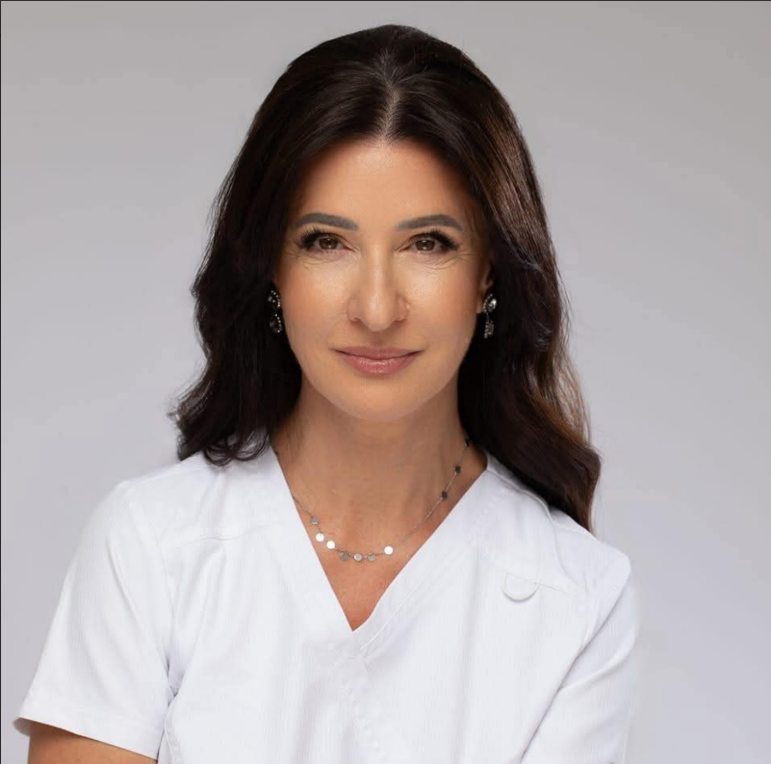
Dr. Raluca Hera, MD, PhD
Founder & CEO, Hera Medical Institute
Coordinator of the SREG Hormonal Therapy Committee
Certified — with her own medical center in both the European Union and Switzerland — Dr. Raluca Hera is an internationally recognized expert in Hormone Therapy, Functional Gynecology and Longevity Medicine. She has completed advanced postgraduate training and professional certifications in the USA, Germany and other leading international centers, continuously integrating the latest evidence-based approaches into clinical practice.
As a dedicated educator, Dr. Hera has been organizing advanced educational courses several times each year since 2020, training physicians in Hormone Therapy, Menopause Management, Peptide Medicine, Functional Medicine and interpretation of the DUTCH Test. She also leads exclusive Masterclasses and Mentorship Programs designed to help physicians confidently implement advanced hormone optimization protocols in daily practice.
Her areas of expertise include:
- Advanced Hormone Therapy
- Menopause & Andropause Management
- Functional & Aesthetic Gynecology
- Longevity Medicine
- Peptide Medicine
- DUTCH Test Interpretation
- Preventive & Precision Medicine
- Cognitive Optimization Programs
- Regenerative Medicine
Dr. Hera combines scientific evidence with a personalized, holistic approach focused on hormone optimization, healthy aging, disease prevention and long-term patient wellbeing. Through her international collaborations, educational activities and clinical expertise, she has become one of the leading voices in Longevity and Hormonal Medicine in Eastern Europe.
Online Learning & Optional Hands-on Training
All Online Courses Include
- Lessons divided into ~1-hour modules
- Watch anytime, at your own pace
- 3 months of platform access
- Final examination
- European Certificate of Completion
- European CME educational credits awarded by SREG
Optional Hands-on Training
- After completing the online course, participants may request a practical hands-on workshop
- Dr. Diana Mihai, MD, PhD can travel to your country
- Hands-on training conducted on real patients
Hands-on Requirements
- Minimum 5 physicians participating
- €1,000 per participant
- Host organization covers international flights, accommodation and local transportation
- Program, schedule and logistics discussed individually per host country's regulations
Learn from International Experts
Our mission is to provide practical, evidence-based education that physicians can immediately integrate into daily clinical practice while maintaining the highest standards of patient safety and medical excellence.
Contact Us